
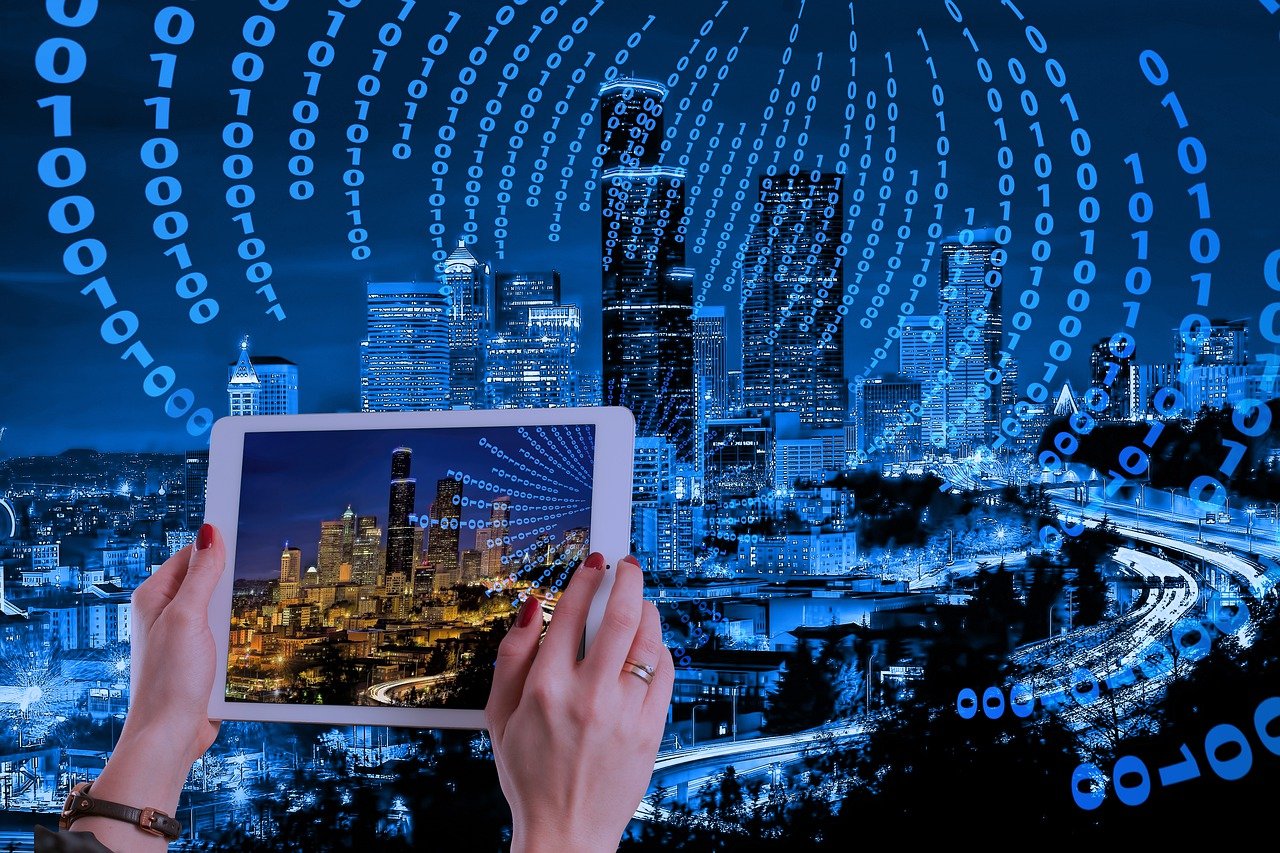
Smart City IoT Is Connecting Cities Like Never Before
Cities are living, breathing networks of people, infrastructure, and services. Smart City IoT brings these networks to life by connecting sensors, devices, and systems across urban environments. From traffic lights to water meters, street lamps to waste bins, IoT in cities enables real-time monitoring, automation, and data-driven decision-making that makes urban life smoother, safer, and more sustainable.
Smart City IoT is not a single technology. It is an ecosystem of connected devices, communication protocols, and software platforms that work together to optimize city operations. Sensors embedded in roads, buildings, vehicles, and public spaces collect data on everything from traffic flow and air quality to energy consumption and waste management. This data is then processed by urban IoT platforms and analytics tools to generate actionable insights, allowing city managers to respond faster, plan better, and reduce inefficiencies.
The global Smart City IoT market is growing rapidly, reflecting the urgency for sustainable, efficient urban management. Analysts project that spending on urban IoT solutions will exceed $40 billion by 2026, with strong growth across North America, Europe, and Asia. Cities that invest early are gaining measurable benefits in energy efficiency, mobility, public safety, and citizen engagement.
Countries leading the Smart City IoT charge include Singapore, South Korea, the United States, Germany, and the Netherlands. Cities like Barcelona, London, Dubai, Tokyo, and Amsterdam have embraced IoT at scale, integrating sensors and data platforms into traffic systems, environmental monitoring, and public infrastructure.
Case Studies
- Barcelona has become a global benchmark for smart city IoT. Its network of sensors manages street lighting, monitors air quality, and tracks parking availability. The city has seen a significant reduction in energy use while improving convenience for residents and visitors.
- Dubai uses IoT to manage traffic congestion and streamline public transport. Sensors on roads and buses feed data into a central system that adjusts traffic lights, informs commuters of delays, and predicts congestion hotspots before they occur.
- Amsterdam leverages IoT to support sustainable mobility. Connected sensors monitor bike lanes, traffic density, and public transport usage. The city combines this data with predictive analytics to optimize routes, improve safety, and encourage greener travel choices.
- Several companies have emerged as leaders in Smart City IoT solutions. Cisco provides end-to-end IoT networking infrastructure, connecting sensors and devices to cloud platforms for actionable intelligence. Siemens Smart Infrastructure focuses on energy-efficient buildings, traffic management, and utilities integration. Schneider Electric offers IoT-enabled solutions for smart grids, lighting, and energy management, helping cities improve sustainability while reducing costs. Huawei and IBM also provide large-scale IoT platforms that integrate sensors, analytics, and AI for city-wide applications.
Looking Ahead to 2026
By 2026, Smart City IoT will be more pervasive, intelligent, and citizen-centric. Sensors will not only report data but also trigger automated responses in real time—traffic lights adjusting dynamically to congestion, smart grids balancing energy loads, and environmental sensors alerting authorities to potential hazards. Cities will also focus on interoperability, ensuring that IoT devices from different vendors work together seamlessly. Security and privacy will remain top priorities, with encryption and data governance becoming standard practice.
Urban IoT will increasingly support sustainability goals. By monitoring energy, water, waste, and transportation in real time, cities will be able to reduce resource consumption, lower emissions, and improve quality of life for residents. Citizen engagement will also deepen, as residents interact with apps and services powered by IoT insights, from parking management to air quality alerts.
Bousta Takeaway
Smart City IoT is transforming cities into connected, intelligent, and responsive ecosystems. It goes beyond efficiency, shaping how residents experience urban life and how city leaders make decisions. For cities striving to be resilient, sustainable, and human-centered, IoT is no longer optional, it is the infrastructure that underpins the smart city of the future.