
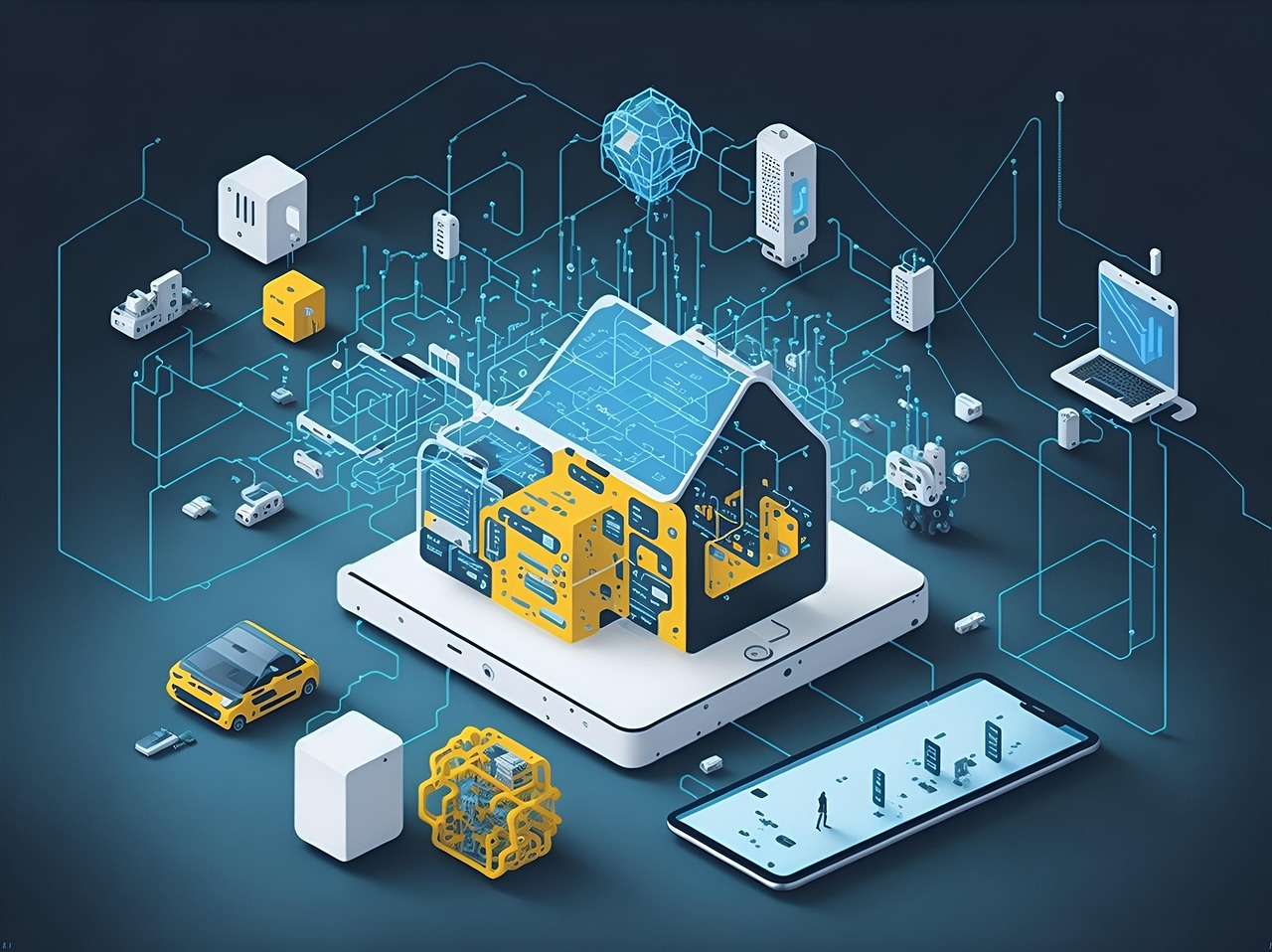
IoT Connectivity Is the Nervous System of a Connected World
The promise of IoT is immense, but it cannot exist without connectivity. IoT connectivity forms the backbone of the digital ecosystem, linking devices, sensors, and platforms so they can communicate seamlessly and deliver real-time insights. From smart cities to industrial automation, efficient and reliable connectivity determines whether IoT systems simply exist or actually transform how we live and work.
IoT connectivity refers to the methods and technologies that allow devices to transmit data to each other and to central platforms. This includes cellular networks like 5G, low-power wide-area networks (LPWAN) such as LoRaWAN and NB-IoT, as well as Wi-Fi, satellite, and hybrid solutions. Connectivity ensures that data from sensors and devices flows continuously and securely, enabling automation, predictive analytics, and intelligent decision-making across urban and industrial environments.
The global IoT connectivity market is expanding rapidly, driven by smart city deployments, industrial IoT adoption, and growing demand for real-time data. Analysts project the market will surpass $15 billion by 2026, with growth concentrated in North America, Europe, and Asia. The expansion of 5G networks and the rise of LPWAN standards are accelerating adoption, providing cities and industries with the bandwidth, coverage, and energy efficiency required for massive IoT networks.
Leading countries in IoT connectivity include the United States, China, South Korea, Japan, and Germany. These nations are investing heavily in nationwide 5G coverage and IoT-focused LPWAN networks. Cities such as Seoul, San Francisco, Shanghai, Singapore, and Berlin are showcasing how robust connectivity networks enable smart traffic systems, environmental monitoring, public safety solutions, and industrial automation.
Case Studies
- Seoul has deployed a 5G-enabled IoT network that connects traffic sensors, smart streetlights, and public transport systems. The high-speed, low-latency network allows the city to manage congestion dynamically and optimize energy usage, improving both mobility and sustainability.
- Singapore leverages an LPWAN network to connect thousands of water and environmental sensors. This connectivity enables real-time monitoring of water levels, pipe pressures, and rainfall, helping the city prevent flooding and maintain efficient utilities management.
- Berlin integrates IoT connectivity across smart building and energy networks. Sensors in commercial buildings, street infrastructure, and public utilities communicate continuously, allowing predictive maintenance and data-driven energy optimization.
- Major technology providers are shaping the IoT connectivity ecosystem. Huawei and Ericsson are leading in 5G infrastructure deployment, enabling ultra-fast, low-latency connections for smart cities and industrial IoT. Semtech provides LoRaWAN solutions for long-range, low-power IoT connectivity. Nokia and Cisco offer integrated connectivity solutions that combine cellular, LPWAN, and Wi-Fi networks with security and management platforms.
Looking Ahead to 2026-2027
By 2026, IoT connectivity will become more ubiquitous, reliable, and intelligent. Networks will self-optimize to allocate bandwidth based on real-time demand, ensuring devices remain connected even during peak usage or emergencies. 5G and LPWAN technologies will converge, enabling cities and industries to scale IoT deployments without compromising performance. Security and encryption protocols will be more advanced, safeguarding sensitive data from cyber threats.
Connectivity will also drive sustainability. Cities and companies will use connected sensors to monitor energy usage, water consumption, and environmental conditions in real time, enabling proactive interventions and reducing waste. IoT connectivity will also support the proliferation of autonomous vehicles, smart grids, and predictive maintenance systems, making urban and industrial ecosystems more efficient and resilient.
Bousta Takeaway
IoT connectivity is the nervous system that allows devices, platforms, and applications to function as a unified ecosystem. Without reliable, scalable, and secure connectivity, the promise of IoT remains untapped. As cities and industries embrace IoT at scale, investment in advanced connectivity solutions will define which organizations are prepared to thrive in a truly connected world.