Urban AI Platforms Are Becoming the Brain of Modern Cities
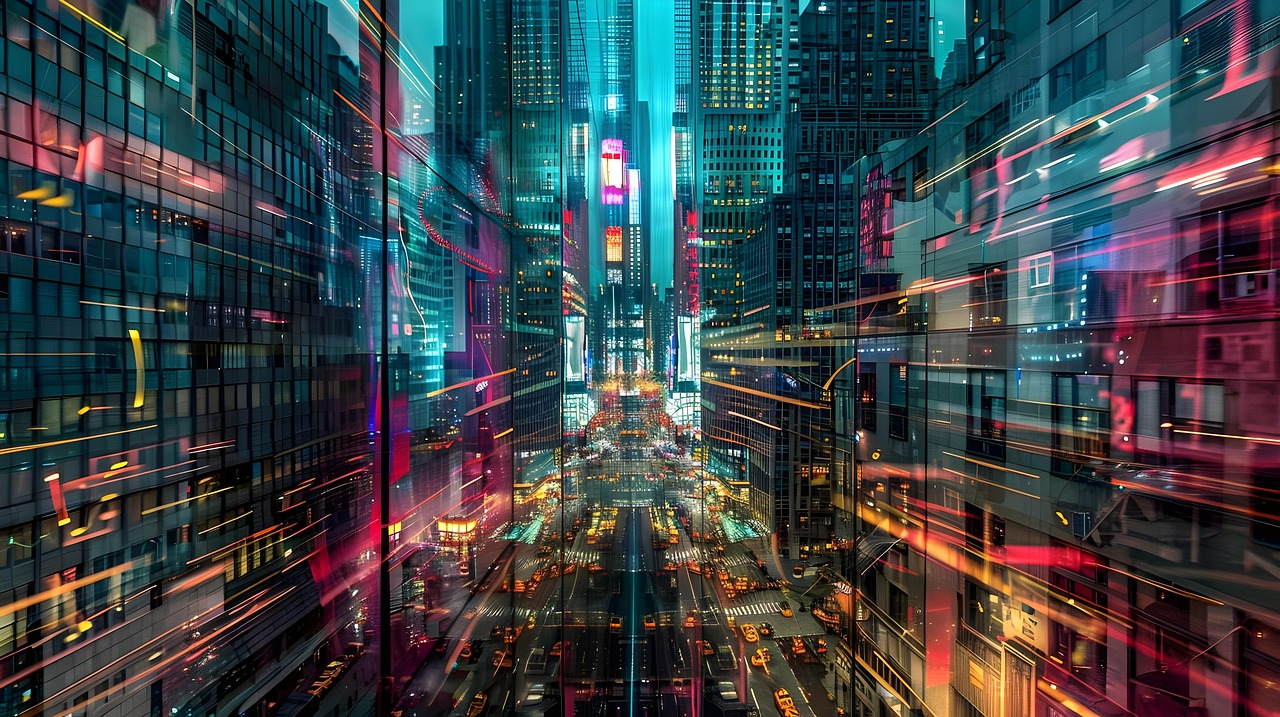
Cities are intricate organisms. Every day, they contend with congestion, energy peaks, emergencies, and the constant ebb and flow of urban life. Urban AI platforms act as the central nervous system, processing vast streams of data and providing city leaders with insights that allow them to respond quickly and plan strategically.
These platforms combine machine learning, predictive analytics, and real-time data to optimize city operations. They draw from a variety of sources, including IoT sensors, traffic systems, environmental monitors, and administrative records. The result is a comprehensive understanding of urban dynamics that allows cities not just to react, but to anticipate challenges and opportunities.
Investment in urban AI is growing alongside the broader smart city market, which is expected to surpass 130 billion dollars globally by 2026. Municipalities are leveraging AI to improve traffic flow, manage energy consumption, enhance safety, and streamline public services. Cities that successfully adopt AI report improvements in operational efficiency, cost savings, and citizen satisfaction.
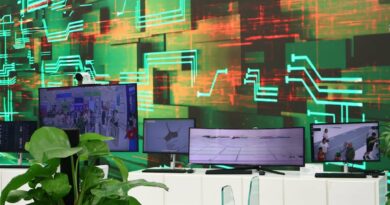
Some of the most ambitious applications of urban AI can be found in the United States, China, Japan, and the UAE. Cities such as Dubai, Singapore, Shanghai, and Beijing are pioneering integrated AI platforms. Dubai Live, for example, consolidates traffic, public utilities, and social sentiment data into a single command center, enabling city leaders to make real-time decisions that improve mobility, safety, and service delivery. Singapore’s Virtual Singapore project creates a digital twin of the city, allowing planners to simulate the impact of energy use, urban heat, and transportation changes before implementing them. Beijing’s AI-driven traffic and air quality monitoring helps the city reduce congestion and pollution, protecting both residents and the environment.
Key technology providers are instrumental in building these platforms. Microsoft offers AI solutions for emergency management and urban analytics. IBM’s Watson-powered dashboards provide actionable insights for mobility and resource allocation. Siemens applies predictive intelligence across energy and transport networks, while Cisco focuses on real-time processing of urban data at scale.
Takeway from Bousta
Looking forward to 2026, urban AI platforms are expected to move from static dashboards to dynamic scenario modeling. Cities will be able to simulate infrastructure projects, traffic policies, and energy strategies in virtual environments, testing their impact before implementation. AI will also improve citizen engagement by enabling predictive notifications, personalized alerts, and proactive service delivery.
Urban AI platforms are transforming cities from reactive systems into intelligent ecosystems capable of anticipating problems and optimizing resources. By combining data, analytics, and predictive capabilities, these platforms give city leaders the tools to create more efficient, resilient, and livable urban environments.