City Digital Twins Are Transforming How Urban Environments Are Planned and Managed
Cities have always been complicated, but the pace and scale of modern urbanization make traditional planning tools feel outdated. Enter the city digital twin, a virtual, living replica of a city that allows planners, engineers, and policymakers to see, test, and optimize urban systems before making real-world decisions. These digital models are revolutionizing urban planning, infrastructure management, and sustainability efforts, making cities more resilient, efficient, and responsive.
A city digital twin is essentially a high-fidelity virtual simulation of a city’s physical, social, and economic systems. It integrates data from sensors, IoT devices, traffic systems, environmental monitoring, and administrative records to create a real-time or near-real-time digital representation of urban life. But digital twins are more than just visualizations. They allow planners to run simulations, test scenarios, and anticipate the impact of policies or infrastructure changes, from energy use to mobility patterns.
The market for city digital twins is expanding rapidly. As cities face pressures from climate change, population growth, and aging infrastructure, investments in these tools are increasing. Analysts project that the city digital twin market will reach several billion dollars by 2026, with adoption concentrated in countries and cities that are already leaders in smart city innovation.
Countries like Singapore, the Netherlands, the United Kingdom, Finland, and Italy are at the forefront of digital twin deployment.
Cities such as Singapore, Helsinki, Rotterdam, London, and Milan are using these platforms not only for planning but also for monitoring energy efficiency, predicting traffic flows, and modeling environmental impacts.
Case Studies
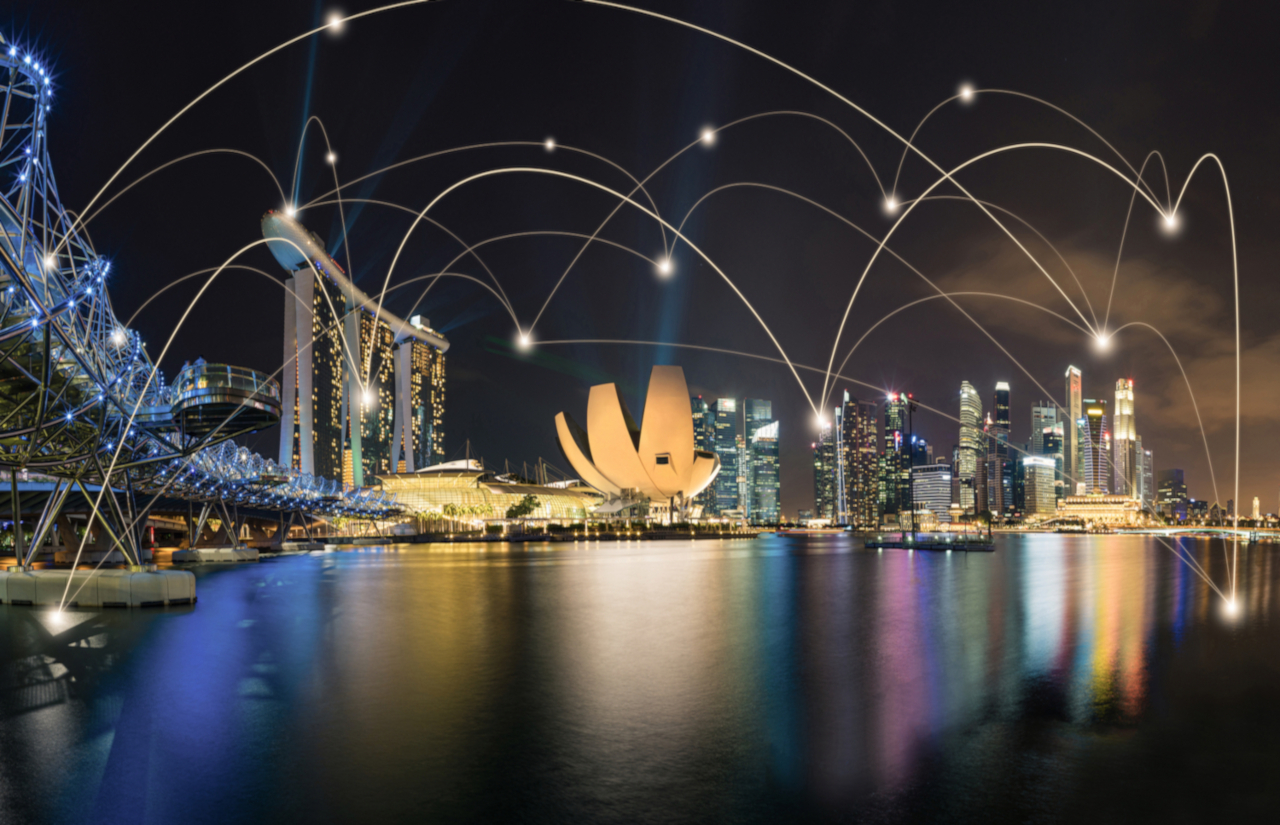
- Singapore has created one of the most comprehensive urban digital twins in the world through its Virtual Singapore initiative. This platform integrates high-resolution 3D models with real-time data from sensors across transportation, utilities, and environmental systems. Planners can simulate everything from urban heat islands to public transport adjustments, providing actionable insights before policies or investments are implemented.
- Helsinki employs its citywide digital twin to optimize energy consumption and urban zoning. By modeling different development scenarios, city officials can assess how new construction will impact traffic, air quality, and energy efficiency. This allows Helsinki to proactively design neighborhoods that are sustainable and livable.
- Rotterdam has leveraged a digital twin to manage flood risks in this low-lying city. By combining hydrological data with infrastructure models, city engineers can simulate extreme weather events and plan mitigation strategies in advance. This has become an essential tool for climate adaptation and public safety.
Companies Driving the Market
Several companies are instrumental in creating and implementing city digital twins. Bentley Systems specializes in infrastructure-focused digital twins, helping cities model transportation, energy, and utilities networks. Siemens provides integrated urban simulation tools that allow municipalities to optimize energy distribution, mobility, and building management. Esri, a global leader in geographic information systems, underpins spatial modeling and visualization, allowing cities to understand the spatial dimensions of urban challenges and opportunities.
Other notable players include Autodesk, which provides 3D modeling and simulation software for urban design, and Cityzenith, which focuses on integrating IoT data with city planning tools to provide real-time insights into urban operations.
Looking Ahead to 2026
By 2026, digital twins are expected to move beyond planning and monitoring to predictive and participatory functions. Cities will increasingly use digital twins to model not only infrastructure and energy systems but also social behaviors, mobility patterns, and environmental risks. AI integration will enable real-time predictions, allowing cities to anticipate congestion, energy spikes, and even public health challenges. Moreover, citizen engagement will be enhanced through digital twins, allowing residents to visualize how projects will affect their neighborhoods and provide feedback before implementation.
Digital twins will also become essential in climate resilience strategies. As urban centers face extreme weather, rising sea levels, and shifting population densities, these virtual models will provide the foresight necessary to adapt infrastructure and maintain public safety.
Bousta Takeaway
City digital twins are more than a technological novelty, they are strategic tools that allow cities to simulate the future before building it. By providing a virtual sandbox for planning, monitoring, and citizen engagement, digital twins enable decision-makers to optimize urban systems, reduce risk, and improve quality of life. For cities aiming to be sustainable, resilient, and livable, investing in digital twin technology is not optional, it is a necessity.